

Moderna (NASDAQ: MRNA) delivered a third quarter that was about more than just a beat. Revenue of $1.3 billion came in 47% above the $890 million consensus estimate. The company swung to GAAP net income of $162 million ($0.38 per diluted share) from a $200 million loss a year ago.
The magnitude of the surprise is notable. The real signal is what management did with it: raised full-year revenue growth guidance to 15%–25%, up from a prior expectation of ≤10% growth, while simultaneously cutting operating expense guidance.
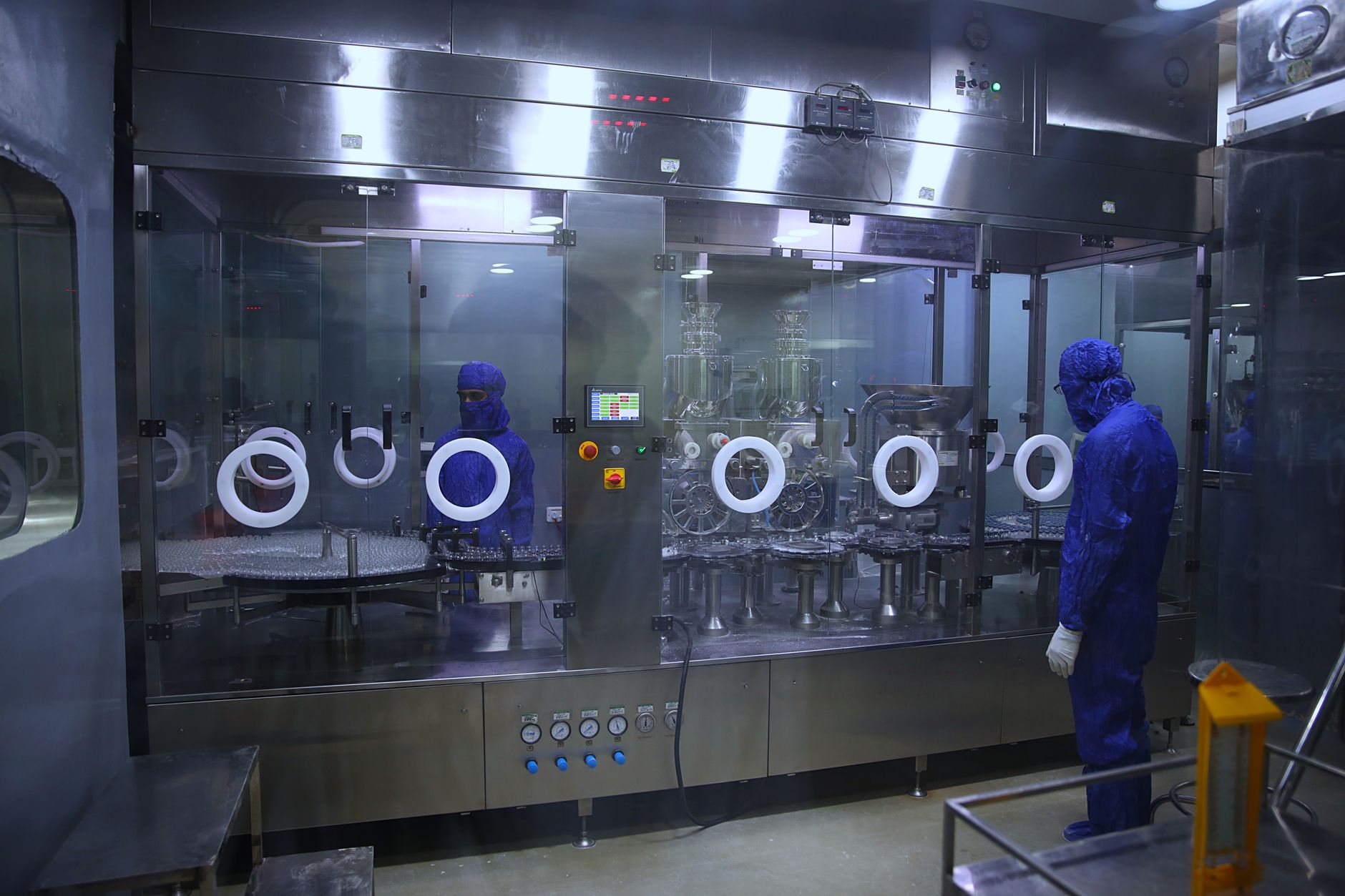
International COVID vaccine sales drove the revenue beat. Deliveries under long-term strategic government partnerships with the UK, Canada, and Australia provided the lift. International revenue of $533 million accounted for roughly 41% of total revenue, up from 37% in the year-ago period. U.S. revenue was $780 million. The company also signed a five-year agreement with a local manufacturer in Mexico for COVID-19 vaccines, adding a recurring revenue stream in Latin America.
Cost of sales rose 54% to $318 million, outpacing revenue growth, driven by higher product sales volume and other manufacturing-related costs. A modest concern. The bigger story is on the expense side. R&D expenses fell 27% to $583 million, reflecting the completion and wind-down of certain late-stage infectious disease studies and broader cost efficiencies. Management lowered full-year R&D guidance by $200 million to ~$2.7 billion. SG&A was essentially flat at $282 million, with guidance reiterated at $1.0 billion for the year.
The balance sheet strengthened considerably. Cash, cash equivalents, and investments stood at $8.0 billion at quarter-end, up from $6.9 billion at June 30, aided by $2.6 billion in net proceeds from a convertible notes offering. That financing, completed in September, provides flexibility for oncology investment and debt repayment. Year-end cash guidance was raised to $8.1–$8.3 billion from $4.7–$5.2 billion. A significant upgrade. It reflects both operational execution and the convertible proceeds.
The guidance raise is the most telling management signal. A 15%–25% revenue growth range implies full-year revenue of roughly $4.0–$4.4 billion, up from the prior ~$3.5 billion ceiling. That's a meaningful step-up. It came alongside a $200 million R&D cut and a $100 million capex reduction. The combination suggests management sees enough demand visibility to raise the top-line forecast while continuing to tighten cost controls. The implied operating leverage is real. It depends on sustaining international government contracts and avoiding a sharp drop in COVID vaccine demand.
Pipeline progress added to the positive narrative. The FDA approved mFLUSIVA, Moderna's seasonal influenza vaccine, for adults aged 50–64 and accelerated approval for those 65 and older. It's the company's fifth approved product globally. More significantly, positive Phase 3 data for intismeran in melanoma showed a 42% reduction in the risk of recurrence or death when combined with KEYTRUDA. Moderna and Merck are working toward regulatory submissions and preparing for a potential commercial launch. The norovirus vaccine program hit a setback after a Phase 3 interim analysis failed to meet statistical criteria for early success, and the company is engaging with health authorities on next steps.
The quarter's strength is not without caveats. The beat was driven by international government contracts, which are lumpy and not guaranteed to repeat at the same scale. The convertible notes offering added $2.6 billion in cash but also $3.0 billion in principal debt, increasing leverage. The litigation settlement with GSK, announced in late October, resolved patent disputes without payments but removed a potential overhang. The net effect: a company with more cash, a better revenue trajectory, and a tighter cost structure than three months ago.
What to watch next: the Analyst Day on November 12, where management is expected to provide more detail on the intismeran commercial opportunity and the broader oncology pipeline. The pivotal data readout for propionic acidemia (mRNA-3927) is expected by year-end. For now, Moderna has delivered a quarter that validates its strategy of diversifying beyond COVID while maintaining cost discipline. The durability of international government demand and the pace of new product approvals will determine whether this is a turning point or a one-quarter spike.