
Hewlett Packard Enterprise (NYSE: HPE) closed fiscal 2026 with a quarter that validated the post-Juniper thesis. Revenue hit $14.5 billion, up 50% year over year and ahead of the $14.5 billion consensus. More striking: non-GAAP diluted EPS of $1.43 beat even the high end of management's own $1.20-$1.30 range by $0.13. The company then raised its full-year fiscal 2027 guidance across every metric that matters: revenue, operating profit, EPS, and free cash flow. The message is unambiguous. The AI infrastructure cycle has room to run.
The headline numbers grab attention. Composition tells the real story.
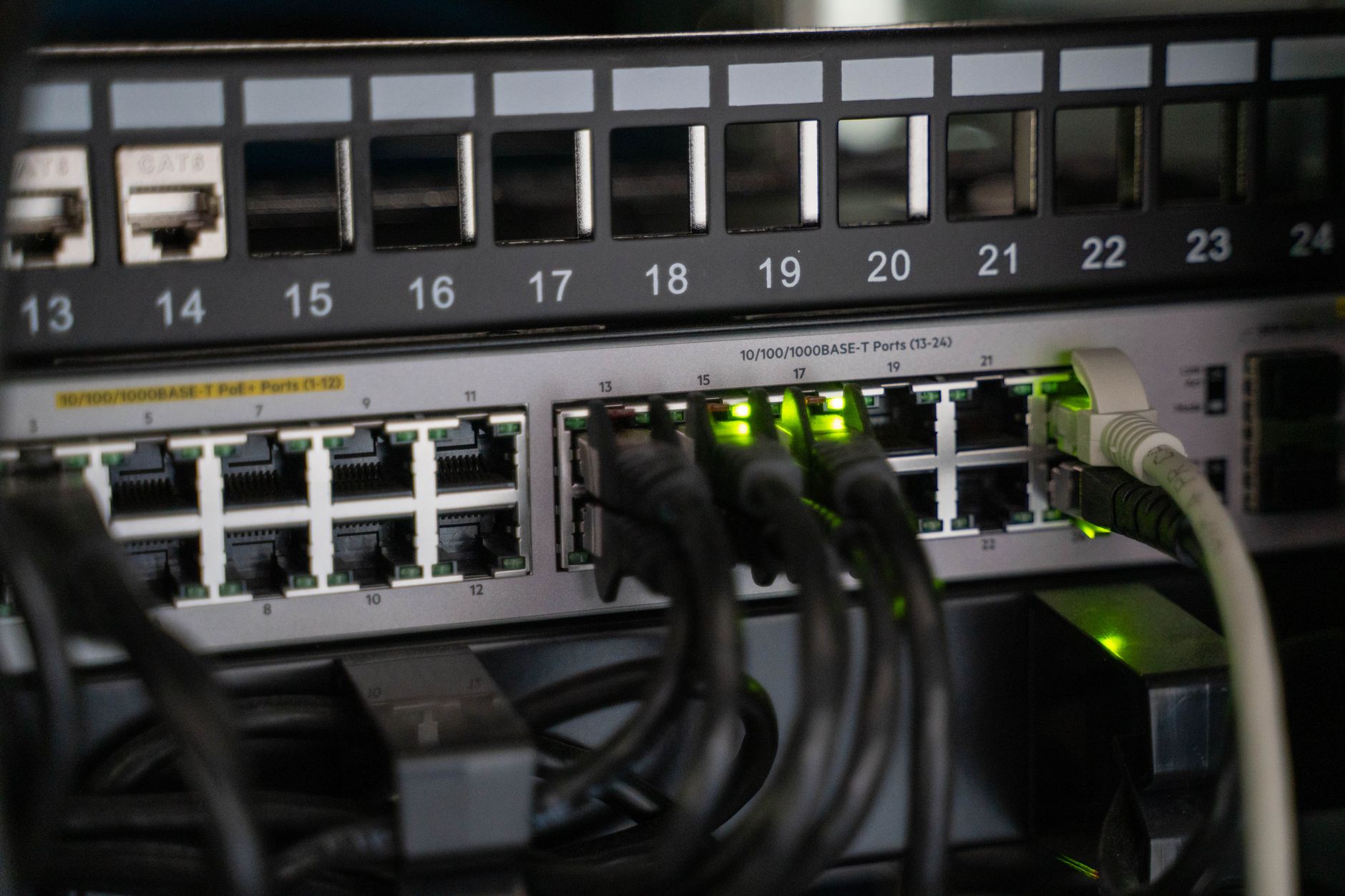
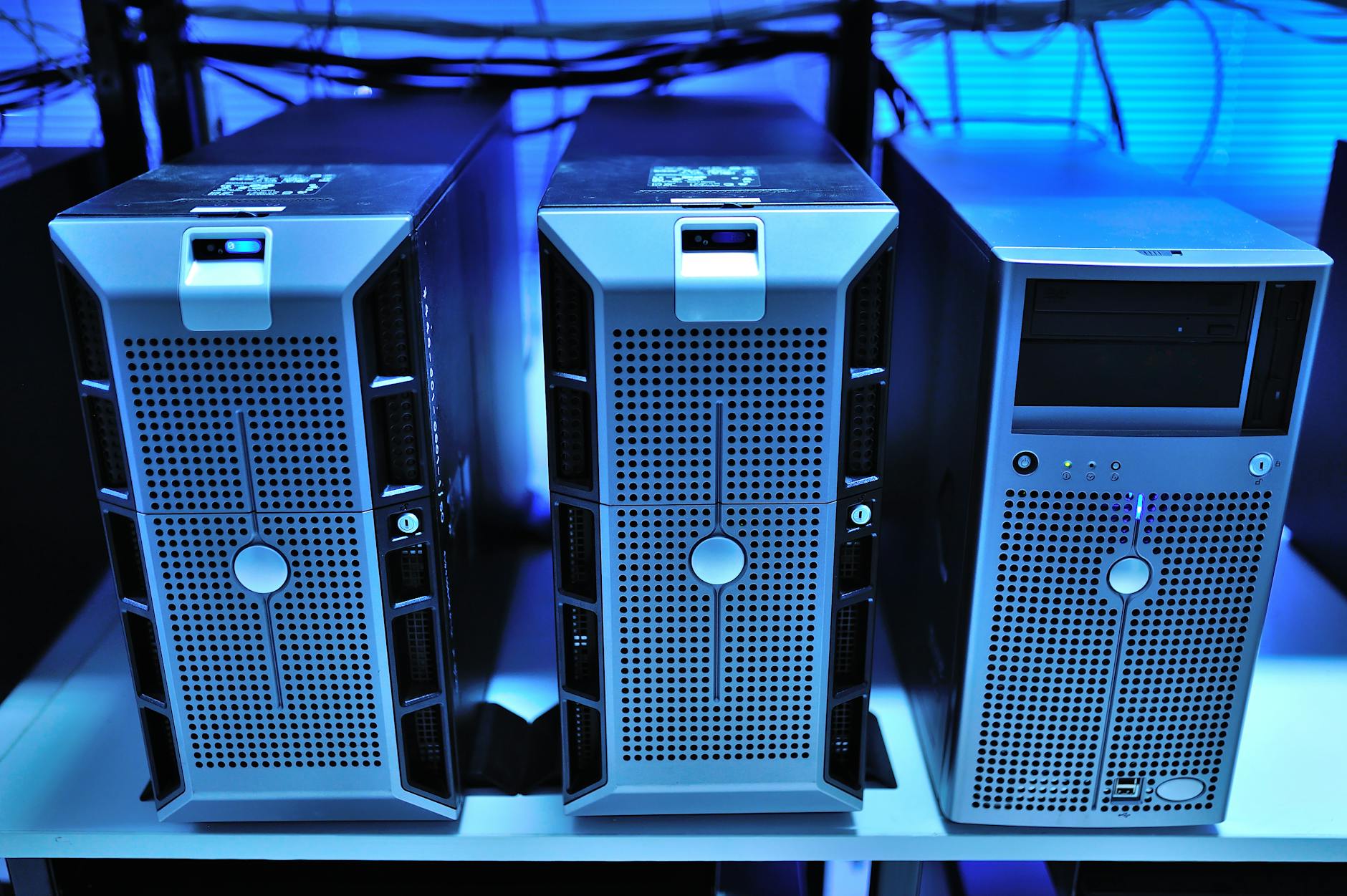
Cloud & AI revenue reached $11.3 billion, up 68.6% from a year ago. Within that segment, Server revenue nearly doubled to $8.8 billion. That 94.7% year-over-year growth in Server is the engine of the quarter. Storage, at $1.5 billion, grew 33.8%, a respectable but unremarkable pace. Financial Services was flat. The Networking segment, which includes Juniper, contributed $3.1 billion, up 12.3%, with Campus & Branch up 16.7% and Routing up 10.1%. Security revenue slipped 1.8%, a small blemish on an otherwise clean networking print.
Operating leverage, not top-line growth, defined the quarter. GAAP operating margin expanded 1,350 basis points year over year to 13.4%, swinging from a near-breakeven operating loss of $8 million in Q4 FY2025 to operating profit of $1.95 billion. Non-GAAP operating margin rose 470 basis points to 16.9%, driven by favorable mix toward higher-margin AI server configurations and cost discipline. The Cloud & AI segment's operating margin doubled to 18.4% from 9.3% a year ago. Networking's margin held relatively steady at 22.1%. This margin expansion is structural, not cyclical. HPE is selling a higher proportion of integrated AI systems rather than commodity servers. That mix shift endures as long as enterprise AI deployment continues.
Free cash flow for the quarter was $1.9 billion, flat year over year. For the full year, it more than tripled to $4.5 billion from $986 million. That cash generation supported aggressive capital returns. The board authorized an additional $5 billion in share repurchases, bringing total authorization to roughly $7.3 billion. Management committed to returning at least 75% of free cash flow to shareholders in FY2027. The buyback pace looks aggressive given the balance sheet: $15 billion in long-term debt, and inventory that ballooned to $14.1 billion from $6.4 billion a year ago, largely to support AI server demand. That inventory build is a bet on continued order flow, not a sign of distress. It bears watching if demand softens.
The raised FY2027 guidance anchors the release. Revenue growth is now expected at 27%-35%, implying $59.4 billion to $63.1 billion, up from the prior range. Non-GAAP diluted EPS guidance was raised to $5.05-$5.35. Free cash flow guidance was lifted to at least $5.5 billion. The Q1 FY2027 outlook is equally strong: revenue of $14.0-$14.6 billion, representing 51%-57% year-over-year growth, and non-GAAP EPS of $1.30-$1.40. Management is signaling that Q4 momentum is not a one-off. It is the start of a sustained cycle.
What to watch next: the inventory-to-sales ratio and the pace of AI server orders. HPE's inventory has more than doubled year over year. While that reflects preparation for known demand, any deceleration in enterprise AI spending would leave the company holding costly components. For now, the trajectory is clear. HPE has repositioned itself as an AI infrastructure play. The market is rewarding it with margin expansion and cash flow growth that the pre-Juniper HPE could not have delivered.