

Carnival Corporation (NYSE: CCL) beat the bottom-line estimate by a clean $0.07 per share in Q2. That headline masks a quarter where fuel costs jumped nearly 30% and geopolitical disruption in Europe created real drag. Adjusted EPS of $0.41 landed 17% above the $0.34 consensus, while record Q2 revenue of $6.7B just missed the $6.69B estimate. The beat came from operational cost discipline and continued demand strength, not a one-off tailwind.
Adjusted net income rose 21% year-over-year to $569 million. GAAP net income, however, slipped to $537 million from $565 million, a decline driven by the absence of a prior-year $101 million gain on ship sales. The adjusted figure strips out that noise and tells the cleaner story: the core cruise operation is generating more profit on higher revenue, even as the fuel bill jumped $127 million year-over-year to $595 million.
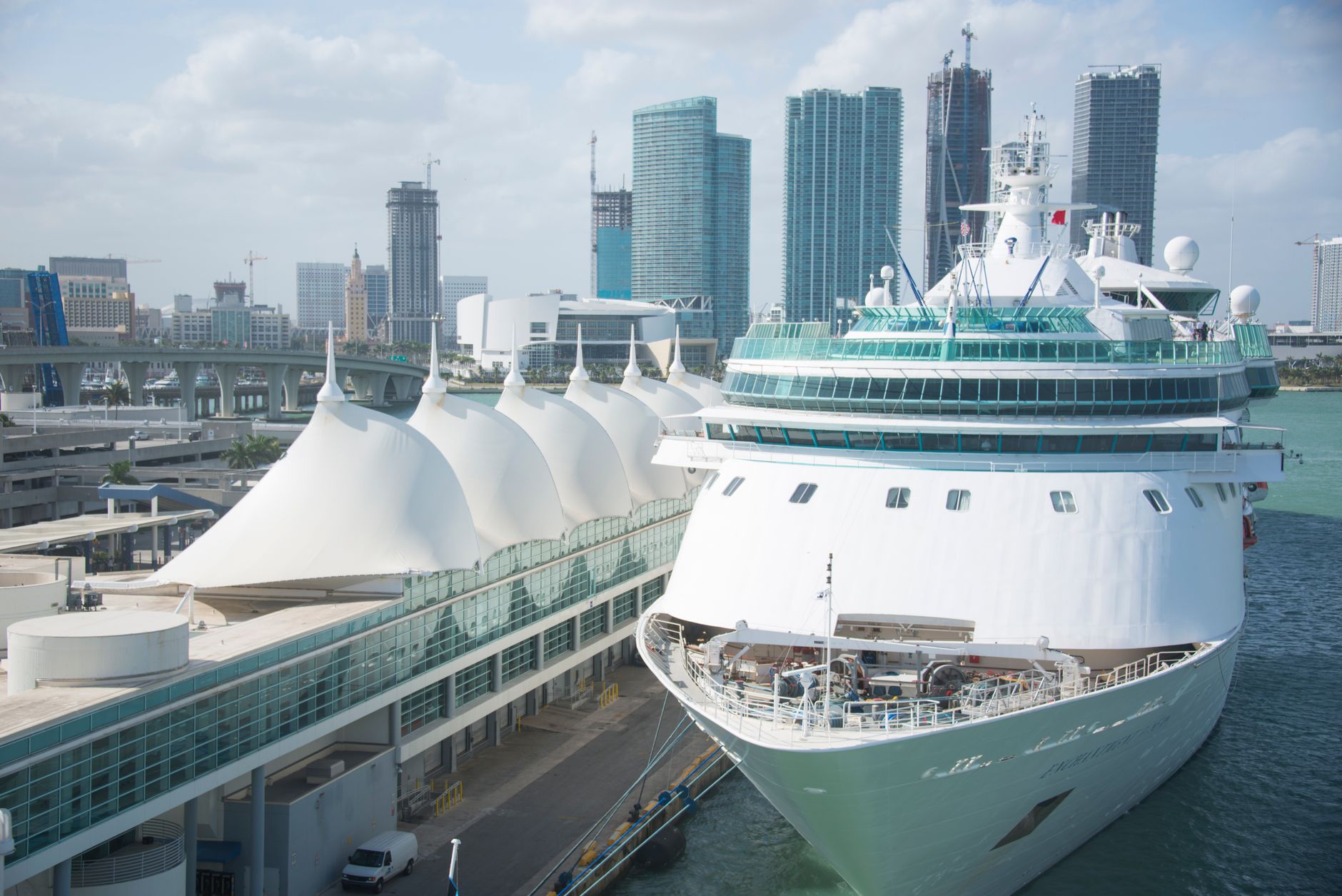
Fuel is the dominant variable. Carnival consumed 0.7 million metric tons of fuel in the quarter at an average cost of $793 per ton, up from $614 a year ago. The company partially offset this with a 5.6% improvement in fuel consumption per available lower berth day (ALBD), reflecting fleet efficiency investments. The math is straightforward: fuel expense consumed roughly 8.9% of revenue versus 7.4% a year ago. That 150-basis-point headwind was absorbed by higher pricing and cost controls elsewhere.
Net yields in constant currency rose 2.2% to a record $204.57 per ALBD. That was the twelfth consecutive quarter of record net yields. Adjusted cruise costs excluding fuel per ALBD were flat year-over-year in constant currency, a sign that management's cost discipline is holding. The company exceeded its own March guidance by $100 million, which CEO Josh Weinstein attributed to "sharpened cost discipline" and commercial execution.
The demand picture is bifurcated. Customer deposits hit an all-time high of $9.0 billion, up $450 million from the prior record. The booked position for the second half of 2026 is ahead of last year at higher prices. But Weinstein acknowledged that geopolitical volatility in the Middle East "primarily impacted booking trends for our European deployments, particularly in the Mediterranean region." The company responded by leaning into its occupancy advantage to protect pricing rather than discounting. For the full year, Carnival is 93% booked with less inventory remaining than at this point last year.
Capital allocation is accelerating. Share buybacks have surpassed $450 million since the program was launched, and the company paid $207 million in dividends during the quarter. Net debt to adjusted EBITDA improved to 3.1x, down more than half a turn from a year ago. Moody's upgraded Carnival's credit rating with a positive outlook. The balance sheet is in materially better shape than it was two years ago, and management is returning capital accordingly.
Full-year guidance was reiterated, not raised, despite the Q2 beat. Adjusted EPS is expected at ~$2.22, adjusted EBITDA at ~$7.11 billion, and net yields in constant currency at +1.75% to +2.25%. Holding guidance suggests management sees the Q2 outperformance as partly timing and cost discipline, not a step-change in demand. The guidance also incorporates an assumption that the Middle East-related disruption persists through the second half, with Weinstein noting that recent booking trends "suggest that we are beginning to see a reversal of these headwinds."
The Q2 beat is real. But it's a beat against a backdrop of rising fuel costs and geopolitical noise that hasn't fully cleared. The record deposits and forward booking position are the strongest signal in the release: demand is durable enough to absorb external shocks without pricing concessions. That's the story that matters more than the $0.07 EPS surprise.