
Aurora Innovation (NASDAQ: AUR) posted Q2 revenue of $2 million, double the $1 million from a year ago and ahead of the $1.66 million consensus estimate. The headline beat, however, masks a deeper story. The company burned $225 million in operating cash during the quarter. Its GAAP net loss per share of $(0.14) missed the $(0.11662) estimate. The path to commercial scale is getting clearer, and more expensive.
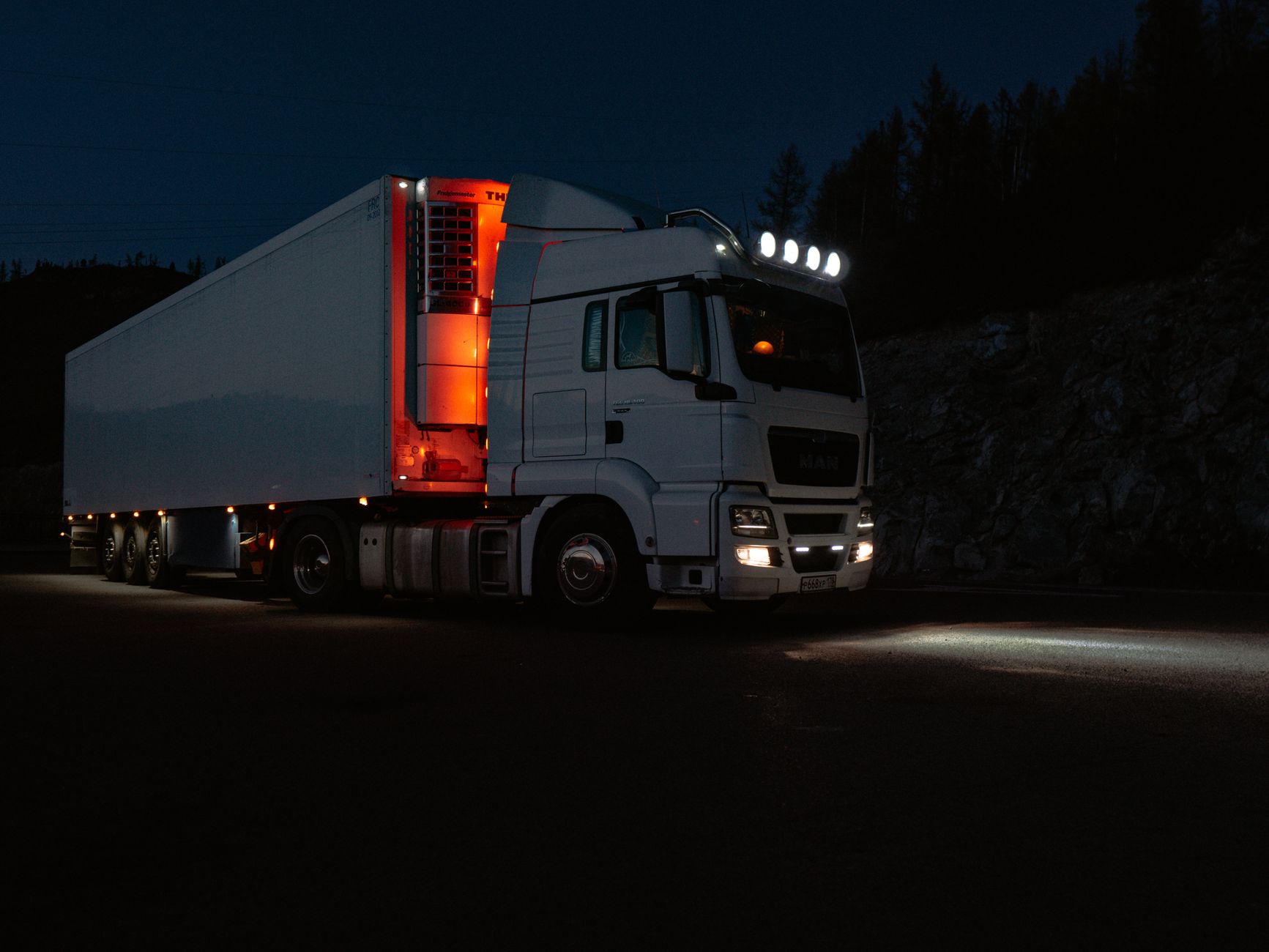
Revenue growth came entirely from commercial loads, both driverless and supervised. The company still expects full-year revenue of $14 million to $16 million. That implies a back-end loaded year, with over half of revenue expected in Q4. This aligns with the launch of its new driverless fleet, based on the International LT series with second-generation hardware, which began operations last week. Aurora expects to exit the year with 200 driverless trucks. That translates to an $80 million annualized revenue run-rate for its Transportation as a Service (TaaS) business.
The operating loss of $266 million included $60 million in stock-based compensation. Excluding SBC, R&D was $164 million and SG&A was $37 million. The $225 million in operating cash use was within the company's quarterly average target of $190 million to $220 million. Only after excluding $63 million in cash bonus payments funded through the ATM program. That's a notable distinction: the company's cash burn is structurally higher than the guided range when one-time items are included.
Aurora raised $215 million via its ATM program during the quarter, issuing 30 million shares. After funding bonus payments and tax liabilities from RSU vesting, liquidity increased by $126 million. The company ended the quarter with nearly $1.2 billion in cash and short-term investments. A strong balance sheet. The dilution is real: weighted-average shares outstanding rose to 1.976 billion from 1.785 billion a year ago, a 10.7% increase. The ATM program funds the scaling plan, but it also dilutes existing holders while the company is still years away from profitability.
The commercial momentum is genuine. Aurora signed TaaS agreements with Charger Logistics and Value Truck, and expanded operations with Volvo Autonomous Solutions for DSV and AVI-SPL. The company completed nearly 440,000 driverless miles since launch through June, with a 100% on-time performance record and zero Aurora-attributed collisions. Regulatory support is also building: California now permits driverless truck deployment, and the bipartisan BUILD America 250 Act includes a national framework for autonomous trucks.
But the numbers tell a sobering story. At the current cash burn rate, Aurora has roughly five quarters of runway before needing additional capital, assuming no revenue growth. The company expects quarterly cash use of $190 million to $220 million on average for the full year, with $150 million in capital expenditures. Revenue is projected at $14 million to $16 million for the year. The company will burn roughly $800 million to generate that top line. The breakeven gross margin target depends on a 50%+ reduction in hardware costs from the second-generation kit, still being deployed.
The forward-looking read is binary. If Aurora hits its 200-truck target by year-end and the TaaS run-rate materializes, the $80 million annualized revenue provides a foundation for the DaaS model in 2027. If the fleet ramp slips or customer adoption lags, the cash burn becomes a ticking clock. The next two quarters will determine whether Aurora is building a sustainable business or just buying time.