
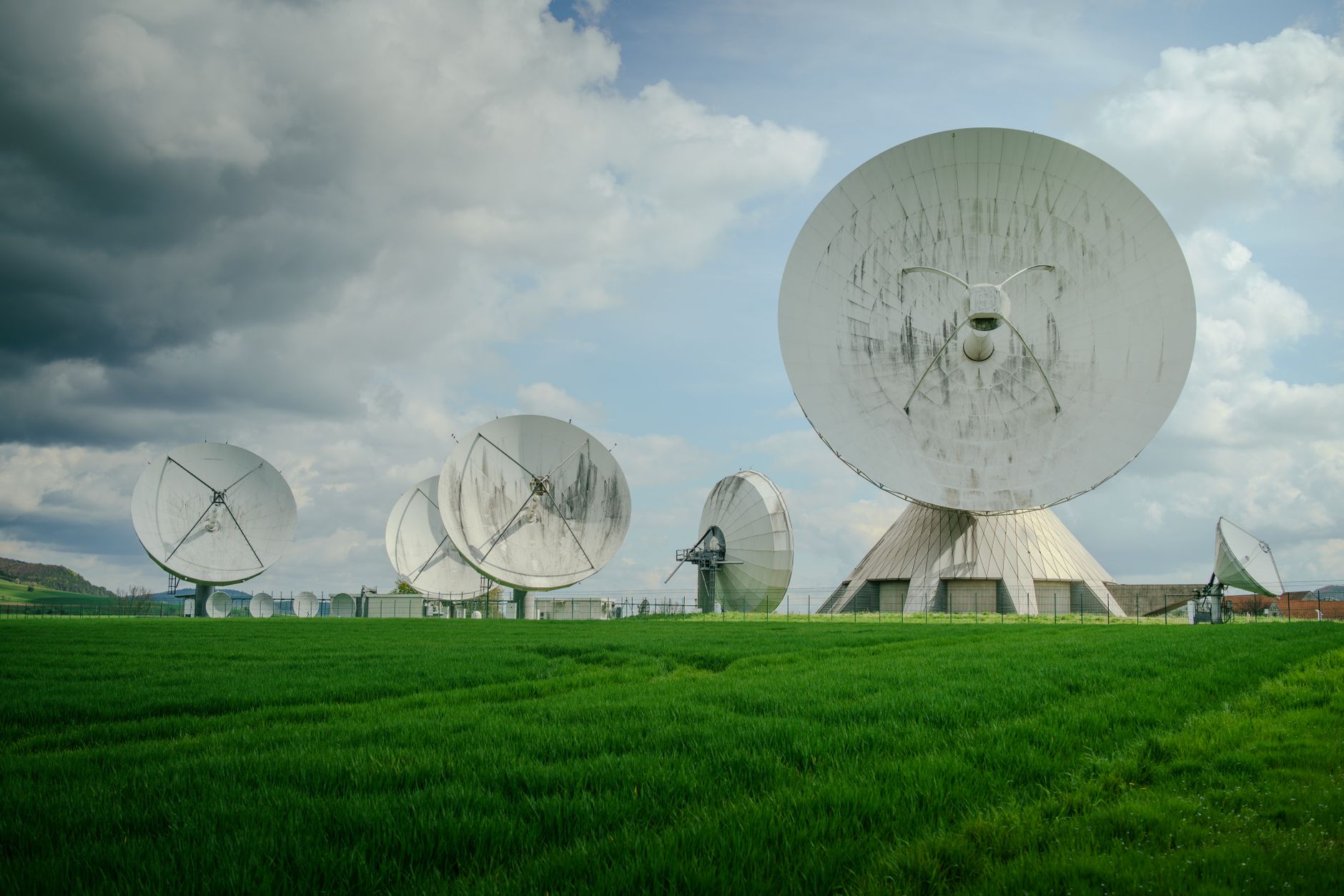
AST SpaceMobile (NASDAQ: ASTS) reported second-quarter revenue of $31.5 million. That’s a 27x jump from $1.2 million a year ago. The print still fell short of the $35.0 million consensus. The top-line miss was narrow. The bottom line told a different story: a net loss of $0.77 per share versus the $0.32 loss expected, more than double the $0.41 loss in the prior-year quarter.
Beneath the headline numbers lies a quarter of genuine operational progress. Revenue came from gateway deliveries and U.S. government milestones—the first meaningful commercial revenue in the company’s history. The EPS miss was driven almost entirely by a $125.9 million non-cash loss on the involuntary conversion of a satellite, an accounting charge management flagged as a one-off. Strip that out, and adjusted operating expenses rose to $119.1 million from $91.2 million in Q1, a 31% sequential increase reflecting the accelerating pace of constellation buildout.
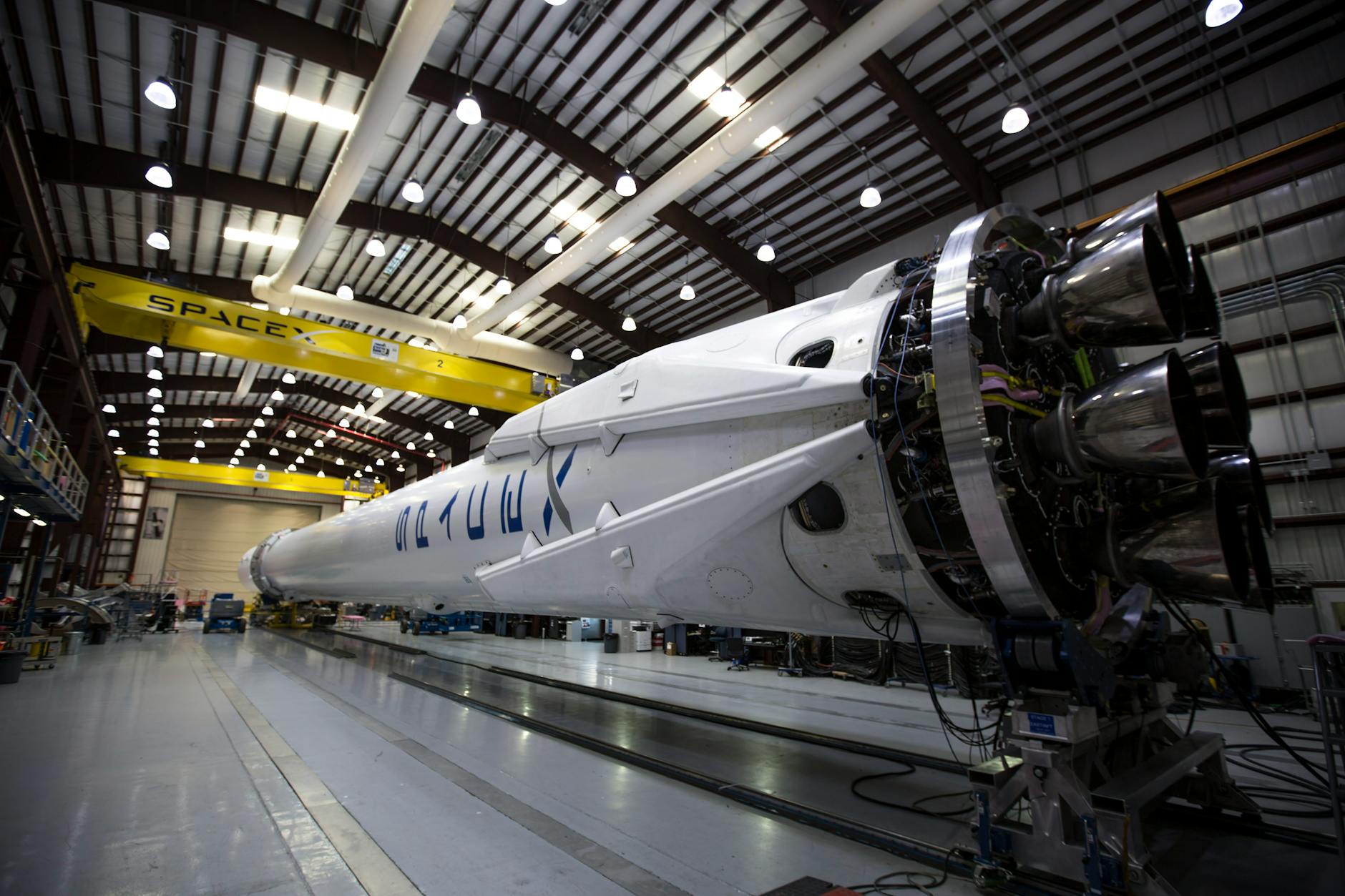
The real story isn’t the miss. It’s the gap between the company’s operational trajectory and the cost of getting there. AST SpaceMobile now has 13 BlueBird satellites in orbit after six launches in 50 days. Production is underway through BlueBird 46, with BlueBirds 14, 15, and 16 ready to ship. The company has signed partnerships with over 60 mobile network operators covering more than 3 billion subscribers, and a new joint venture among the top three U.S. MNOs is in the works. Revenue backlog has swelled to approximately $1.30 billion in contracted commercial and government awards.
The cost of this expansion is visible in the cash flow statement. Operating cash burn for the first half of 2026 was $145.2 million, double the $72.0 million in the same period last year. Capital expenditures hit $859.2 million, nearly double the prior-year level, as the company pours money into satellite production, gateways, and spectrum acquisitions. The balance sheet remains fortified: pro forma cash, cash equivalents, and restricted cash stood at over $3.7 billion after a $1.15 billion convertible note offering in July. But the burn rate is accelerating, and the company is still pre-revenue in any meaningful sense beyond milestone-based government contracts.
Management reiterated full-year 2026 revenue guidance of $150 million to $200 million, a range implying a sharp ramp in the second half. The $31.5 million Q2 print means the company needs to deliver $118.5 million to $168.5 million in the remaining two quarters to hit the low end. A steep climb. The $1.30 billion backlog and recent U.S. government awards worth over $125 million provide some cover. The guidance was not raised despite the backlog growth, a signal that management is being cautious about the pace of revenue recognition.
The $125.9 million satellite loss deserves a closer look. The company described it as an involuntary conversion, which typically means an insurance event or a satellite destroyed or decommissioned before its expected life. The company received $21.6 million in insurance proceeds during the first half, suggesting some recovery. The charge is a reminder that building a constellation of this scale carries physical risks. Each BlueBird satellite is the largest phased array ever deployed in low Earth orbit, with approximately 2,400 square feet of aperture for Block 2 versions. When one fails or is lost, the financial impact is material.
What to watch in the second half: the pace of revenue recognition from the backlog, the timing of beta service launch with strategic MNO partners, and whether the cash burn trajectory moderates as production scales. The company has the balance sheet to fund its buildout through 2027, but the market will eventually want to see a path to operating leverage. For now, AST SpaceMobile is executing on its constellation plan. The question is whether the revenue ramp can catch up to the cost structure before the cash cushion starts to thin.